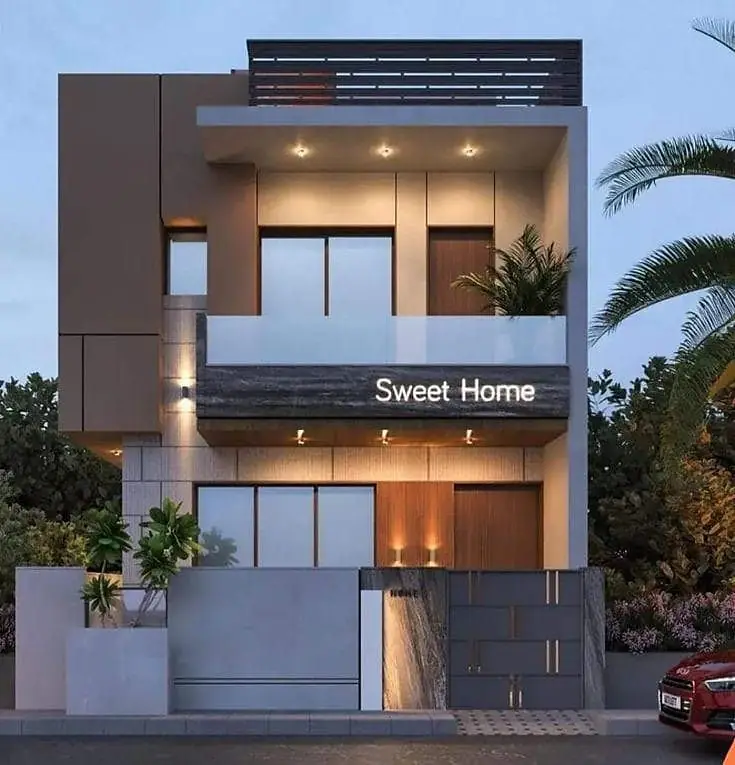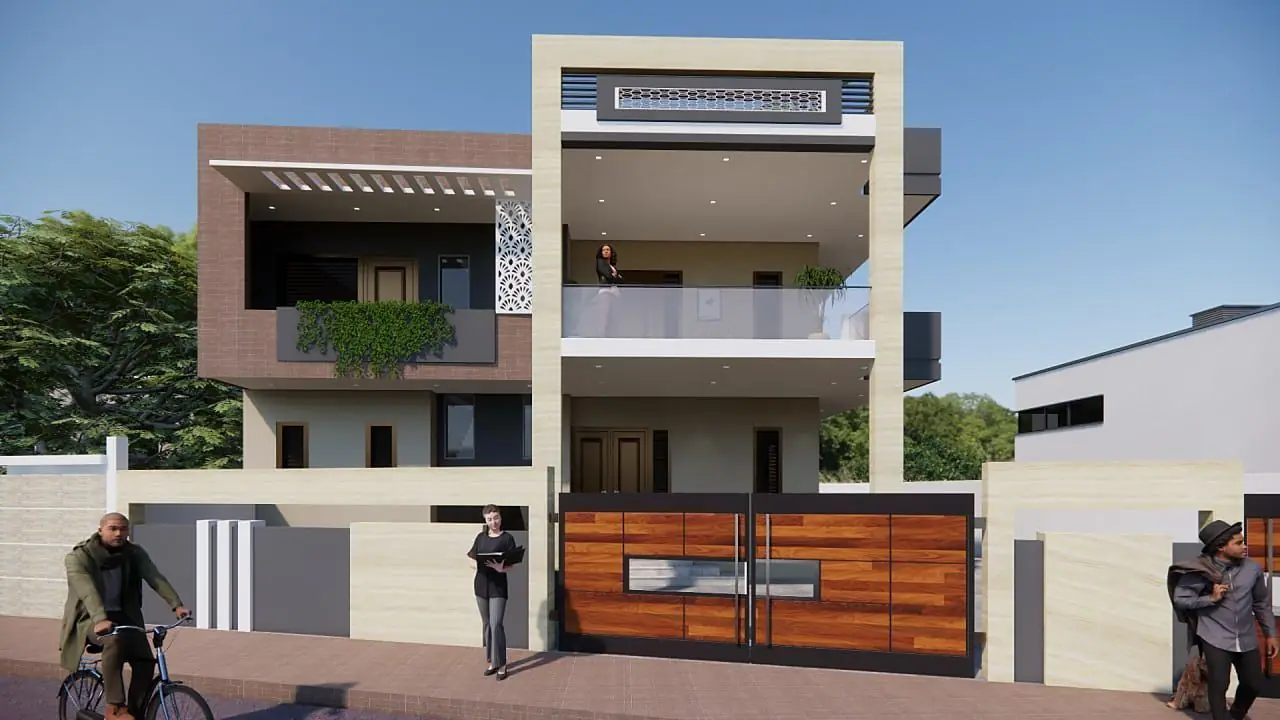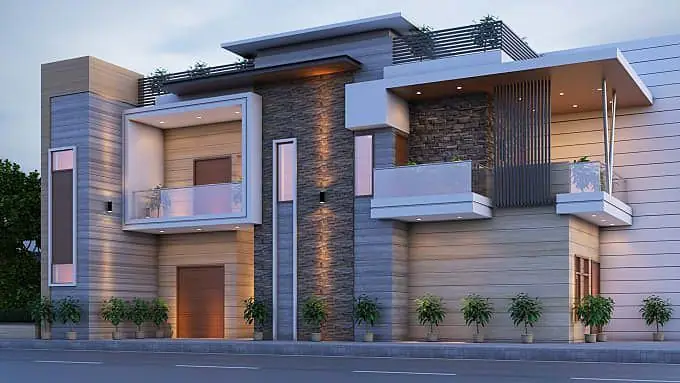
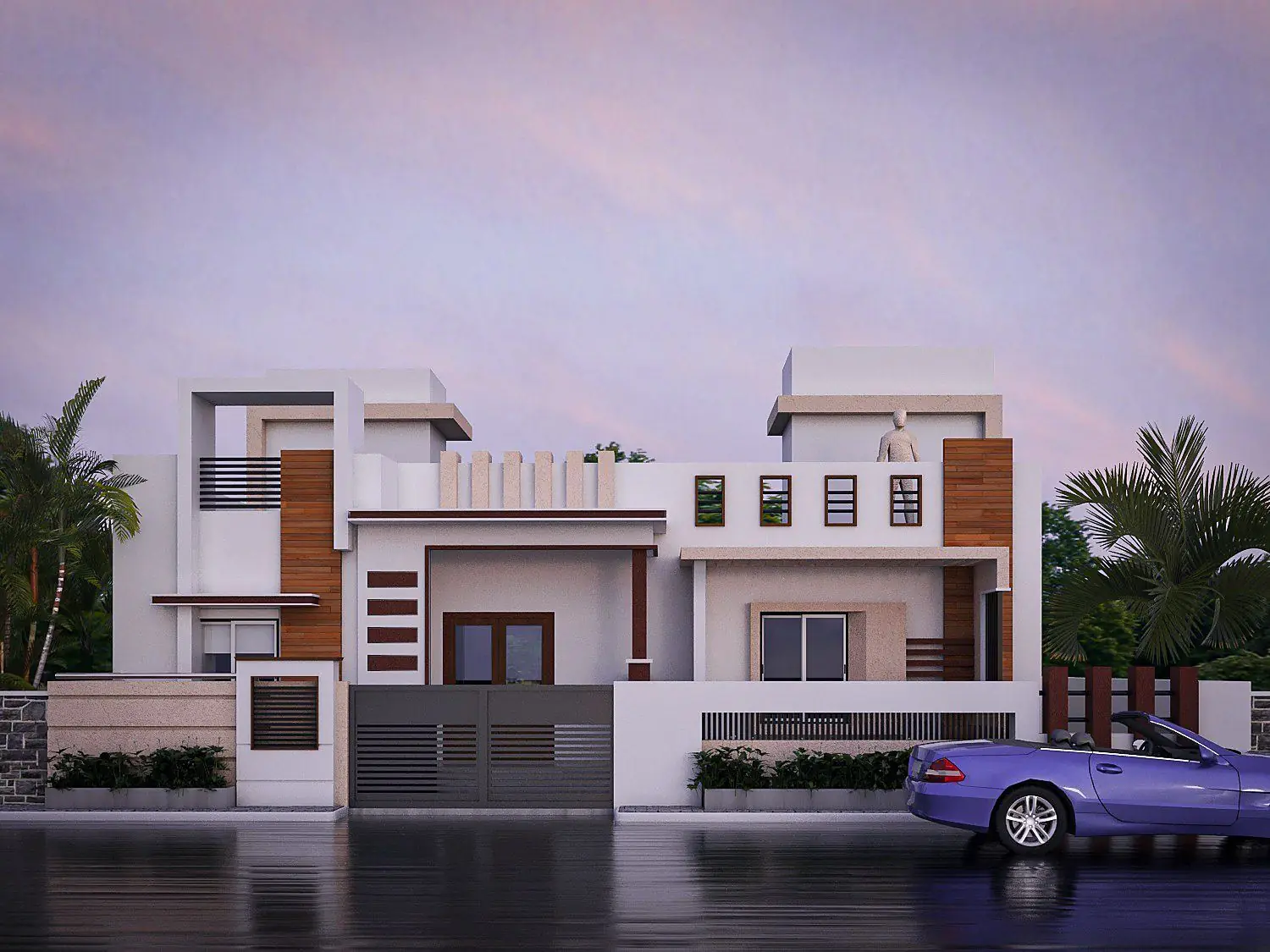
The honest answer is a range, not a number. For a standard residential house in and around Patna, turnkey construction generally falls between roughly ₹1,650 and ₹3,100 per square foot of built-up area, depending almost entirely on the quality level you choose. Below we break down what sits inside that rate, and what pushes a project to one end of it.
What a "per square foot" rate actually covers
When a contractor quotes a rate per square foot for turnkey work, they normally mean the structure plus masonry plus finishing — everything needed to hand you a house you can move into. That typically includes:
- Excavation, footings, columns, beams and slabs
- Brick or block masonry and plaster
- Flooring, doors, windows and painting
- Basic electrical and plumbing, with standard fittings
- Labour across all of the above
It usually does not include the plot, boundary wall, approvals, compound development, modular kitchen, furniture, or premium fittings you select yourself. Always ask for that list in writing before comparing two quotes — most of the difference between two rates is scope, not price.
The five things that move the number most
1. Quality level
This is the single biggest lever, and it is almost entirely about finishing. The structure of a basic house and a luxury house is not very different; the flooring, doors, windows, sanitary ware, electrical fittings and paint are. Moving from a basic specification to a luxury one can add 80% or more to the rate without adding a single square foot.
2. Number of floors
Each floor above the ground adds a small premium — heavier columns and footings below, more scaffolding, and the cost of lifting material. It is a modest effect per floor, but it compounds on taller buildings, and it is a reason the ground floor of a G+3 costs more to build than the ground floor of a bungalow.
3. Soil and foundation
Two identical houses on two different plots can differ significantly at foundation level. Weak or filled soil may need deeper footings, a raft, or piles. This is decided by the site, not by the design, which is why we will not give a firm figure before visiting the plot.
4. Structural design
Long spans, cantilevers, large openings and double-height spaces all need more steel and deeper beams. A dramatic front elevation is not free — it is paid for in the frame behind it. This is worth knowing at the design stage, when the cost of a change is a conversation.
5. Market rates at the time you build
Cement and steel prices move. A BOQ prepared six months ago will need repricing, even if nothing about the design has changed. Any rate quoted on a website — including ours — is a planning figure, not a locked price.
A worked example
Take a 45 × 30 ft plot — 1,350 sq.ft — built as a G+1 at standard quality. With around 75% ground coverage after setbacks, that is roughly 2,025 sq.ft of built-up area across the two levels. At a standard-quality rate of about ₹1,950 per sq.ft, the approximate construction cost works out to around ₹39.5 lakh, before the boundary wall and water tanks.
Of that total, material (including finishing, doors and windows) is typically about 57%, labour about 26%, and services such as electrical, plumbing and site overheads make up the remaining 17%. Cement and steel alone account for roughly a fifth of the entire project cost, which is why their market price matters so much.
You can run the same calculation for your own plot with our construction cost calculator. It uses current market prices for cement, steel, sand, aggregate and bricks, and it also gives you indicative quantities of cement, steel, sand, aggregate and bricks.
Estimate versus quotation
An estimate tells you whether a project is affordable. A quotation tells you what it will cost. The difference is the drawings. Until there is a dimensioned plan, a structural design and a bill of quantities, any figure — including every number on this page — is a planning aid based on typical rates and standard thumb-rules.
For a firm figure, we prepare a detailed BOQ after a site visit and against your final drawings. That document lists every item with its quantity, unit, rate and amount, and it is what the contract is based on.